Method to the Madness
There is a method to my madness.
When I graduated from Columbia Law School in May 2022 and started writing “a weekly column about garbage” 4 months later, I think a lot of people thought I was a bit crazy. That is understandable, but I promise there has always been logic behind The E-Waste Column.
To make sense of this, we should probably turn the clock back by about 11 years. At the time, I looked like I do in the photo below and you would still find me out in the world doing primary research – like here where I am sieving sand in Scheveningen to quantify the presence of microplastics.
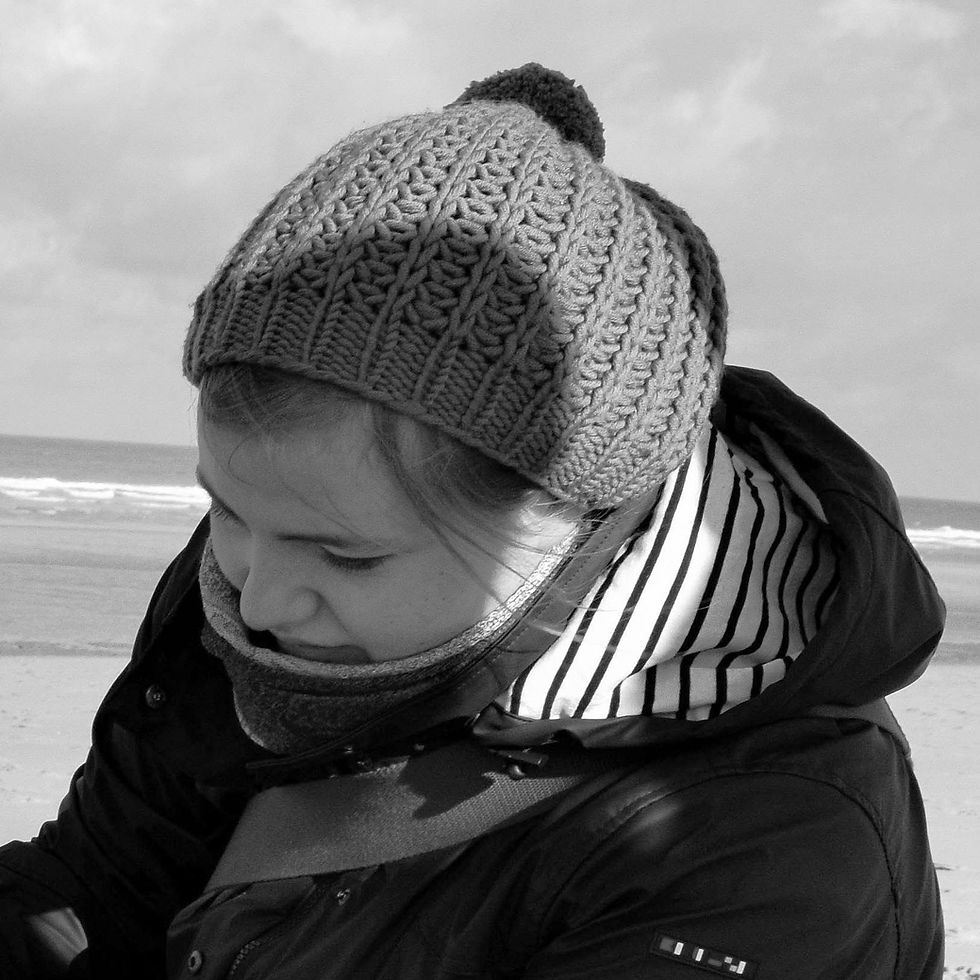
In 2015, I had only just started studying law and environmental science and was first introduced to “human environmental rights” – a concept that would shape the rest of my time in university and play a central role in all 3 of my theses.
For everyone now asking what human environmental rights are and what they have to do with The E-Waste Column, let me break it down for you:
⚖️ Human environmental rights are the human rights linked to living in a clean and healthy environment. On a practical level (or “substantive level” as we lawyers like to say), they include the rights to clean water and air, access to suitable shelter and food, and a safe and sustainable environment to live and work in.
📜 If we go back in time (to 2015), before human environmental rights had developed into all they are today, they were largely still just so-called “procedural rights” – meaning that they did not guarantee a fixed outcome (like clean water or air) but focused instead on granting citizens particular democratic rights. These democratic rights included the right to access environmental information, to participate in environmental decision-making, and to legal remedies when something went wrong.
🌐 While environmental law has developed a lot over the past decade, procedural human environmental rights (like the right to environmental information) still play a key role. Afterall, good decision-making logically involves understanding a problem, what is at stake, and how it could be solved – and this, of course, also requires information, transparency, and accountability around what is happening.
🌱 Since my early days in university, I have always believed that people make better decisions when they are well-informed, feel engaged, and are included in decision-making processes. I, however, never felt like that was happening in the context of raw materials, electronics, and e-waste. I felt like that, in turn, was effectively also keeping people from really understanding and participating in the circular economy and the energy transition. That is ultimately why I started The E-Waste Column.
In other words, the biggest and “least lawyerly” project of my career to date is still very much built on my training in environmental law.
If you would like to share what impact The E-Waste Column has had on you, you can submit your #impacttestimonials here.


Comments